Introduction
Gold has always held a unique place in the global financial system. From ancient civilizations to modern economies, it has symbolized wealth, stability, and protection. In today’s fast-moving financial markets, gold plays an even more critical role, especially during periods of uncertainty. One of the most significant factors influencing gold prices is risk aversion, particularly during times of war or geopolitical tension.
The relationship between global conflict and gold prices is not new. When uncertainty rises, investors tend to shift their capital from risky assets such as stocks and currencies into safer options like gold. This shift is commonly referred to as “risk aversion,” and it often triggers a noticeable Gold Price Reaction in international markets.
In this comprehensive guide, we will explore how war and geopolitical instability impact gold prices, the psychological and economic drivers behind investor behavior, historical trends, and future expectations.
Understanding Gold as a Safe Haven Asset
What Makes Gold a Safe Investment?
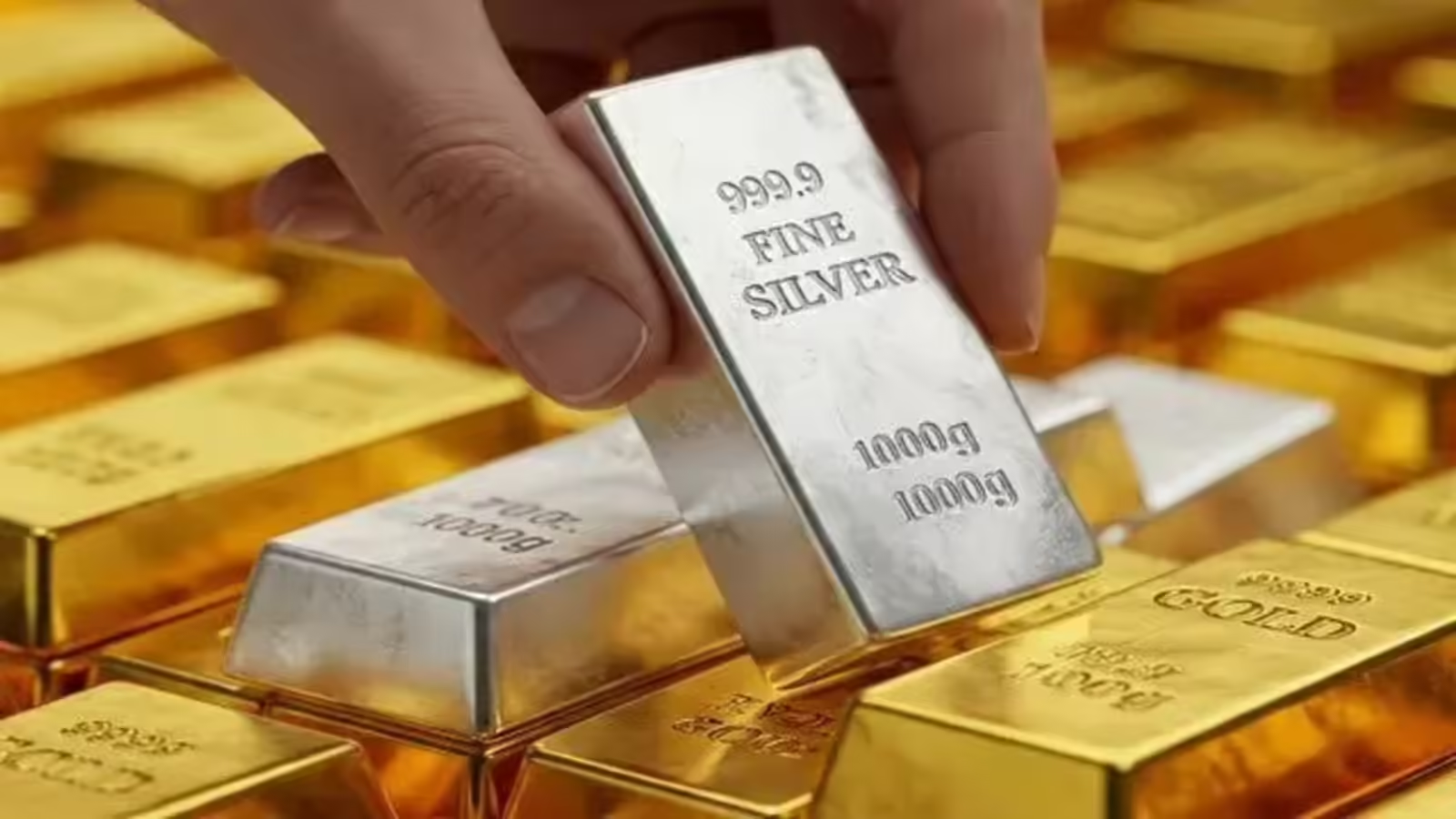
Gold is often called a “safe haven” because it maintains value during economic or political instability. Unlike paper currencies, gold is not controlled by any single government or central authority. This independence makes it less vulnerable to inflation, currency devaluation, or political decisions.
Key reasons why gold is considered safe:
- Limited supply and natural scarcity
- Global acceptance and liquidity
- No reliance on government backing
- Historical stability during crises
The Psychology Behind Safe Haven Investing
When uncertainty rises, investors become cautious. This cautious behavior is known as risk aversion. During such times, the priority shifts from profit maximization to capital preservation.
Gold benefits from this shift because:
- It is perceived as reliable
- It has a long history of retaining value
- It is less volatile compared to other assets during crises
This psychological shift directly contributes to a strong Gold Price Reaction during global conflicts.
Risk Aversion: A Key Driver of Gold Prices
What Is Risk Aversion?
Risk aversion refers to the tendency of investors to avoid uncertainty and potential losses. Instead of investing in high-risk assets, investors prefer safer alternatives.
Common triggers of risk aversion include:
- War or geopolitical tensions
- Economic downturns
- Inflation fears
- Currency instability
How Risk Aversion Impacts Financial Markets
When risk aversion increases:
- Stock markets often decline
- Currency markets become volatile
- Demand for safe assets rises
Gold becomes a primary beneficiary of this shift, leading to a noticeable Gold Price Reaction.
The Impact of War on Gold Prices
Why War Influences Gold Markets
War introduces uncertainty on multiple levels:
- Economic instability
- Disruption of trade routes
- Inflation due to increased government spending
- Currency fluctuations
All these factors contribute to increased demand for gold.
Immediate vs Long-Term Effects
Immediate Effects
- Sudden surge in gold prices
- Increased trading volume
- Market volatility
Long-Term Effects
- Sustained higher gold prices
- Increased central bank gold reserves
- Shift in global investment strategies
Historical Examples of Gold Price Reaction During War
World War Periods
During major global conflicts, gold has consistently shown strong upward trends. Investors across the world sought protection from economic instability, leading to increased demand.
Middle East Conflicts
Geopolitical tensions in oil-producing regions often affect global markets. These conflicts typically lead to:
- Rising oil prices
- Inflation concerns
- Increased gold demand
Recent Global Tensions
Modern geopolitical tensions have continued to demonstrate the same pattern. Whenever uncertainty rises, gold prices tend to increase, showing a clear Gold Price Reaction.
Economic Factors Amplifying Gold Price Movements
Inflation and Currency Devaluation
War often leads to increased government spending, which can result in inflation. As the value of currency declines, gold becomes more attractive.
Interest Rates
Lower interest rates make gold more appealing because:
- It does not yield interest
- Opportunity cost of holding gold decreases
Central Bank Policies
Central banks often increase gold reserves during uncertain times, further driving demand.
Supply and Demand Dynamics
Gold Supply Constraints
Gold supply is relatively stable because:
- Mining production is slow
- New discoveries are limited
Increased Demand During Crisis
Demand spikes during war due to:
- Investor buying
- Central bank accumulation
- Retail demand
This imbalance between supply and demand strengthens the Gold Price Reaction.
Role of Global Investors
Institutional Investors
Large financial institutions often move significant capital into gold during uncertain times. Their actions can strongly influence prices.
Retail Investors
Individual investors also contribute to rising demand, especially during global crises.
Exchange-Traded Funds (ETFs)
Gold-backed ETFs allow easy access to gold investment, increasing demand during risk aversion periods.
Currency Movements and Gold Prices
Relationship Between Gold and the US Dollar
Gold and the US dollar typically have an inverse relationship:
- When the dollar weakens, gold prices rise
- When the dollar strengthens, gold prices may fall
War and Currency Instability
During war:
- Currency values fluctuate
- Investors lose confidence in fiat currencies
- Gold demand increases
Geopolitical Tensions and Market Sentiment
Influence of News and Media
News about war or conflict can quickly change market sentiment. Even rumors or speculation can trigger a rapid Gold Price Reaction.
Investor Behavior During Uncertainty
- Panic buying of gold
- Reduced investment in equities
- Increased demand for safe assets
Gold vs Other Safe Haven Assets
Comparison with Silver
- Silver is more volatile
- Gold is more stable
Comparison with Bonds
- Bonds depend on government stability
- Gold is independent
Comparison with Cash
- Cash loses value during inflation
- Gold retains purchasing power
Long-Term Investment Strategy in Gold
Benefits of Holding Gold
- Protection against inflation
- Portfolio diversification
- Stability during crises
Risks of Gold Investment
- Price volatility in short term
- No passive income generation
Gold Price Trends in Modern Financial Markets
Digital Trading and Gold
Technology has made gold trading more accessible. Online platforms allow investors to respond quickly to market changes.
Influence of Globalization
Global interconnectedness means that conflicts in one region can impact gold prices worldwide.
Predicting Future Gold Price Movements
Key Indicators to Watch
- Geopolitical developments
- Inflation rates
- Central bank policies
- Currency strength
Expert Insights
Analysts often expect gold prices to rise during prolonged uncertainty. However, short-term fluctuations are common.
Investment Tips During Risk Aversion Periods
Diversify Your Portfolio
Include a mix of assets to reduce risk.
Monitor Global Events
Stay informed about geopolitical developments.
Avoid Panic Decisions
Make informed investment choices rather than reacting emotionally.
The Role of Central Banks in Gold Demand
Why Central Banks Buy Gold
- To stabilize reserves
- To hedge against currency risk
Impact on Market Prices
Large purchases by central banks can significantly influence global gold prices.
Gold Price Reaction in Emerging Markets
Increased Demand in Developing Economies
Emerging markets often see higher gold demand during crises due to:
- Currency instability
- Limited investment options
Cultural and Economic Factors
Gold holds cultural significance in many regions, further driving demand.
Also Read: Gold Price FintechZoom in Tracking Market Trends
Conclusion
Gold remains one of the most reliable assets during times of uncertainty. Its ability to maintain value, combined with global acceptance, makes it a preferred choice for investors during periods of risk aversion.
War and geopolitical tensions play a crucial role in shaping investor behavior. As uncertainty increases, the demand for gold rises, leading to a noticeable Gold Price Reaction. This pattern has been observed throughout history and continues to hold true in modern financial markets.