Introduction
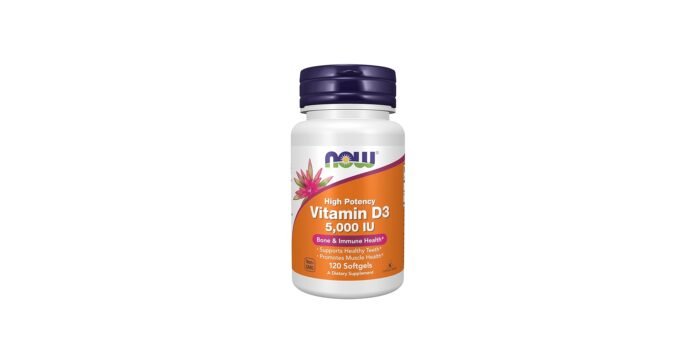
A Vitamin D3 5000 IU Softgels Bottle is often chosen by people who want a simple, easy-to-swallow format for vitamin D support. Vitamin D is a nutrient that helps the body absorb calcium, supports bones, and also plays a role in muscles and nerves. The D3 form is cholecalciferol, one of the two main forms used in foods and supplements. Because vitamin D is fat-soluble, it is commonly taken with food that contains fat to support absorption.
This guide explains what a high-strength softgel bottle means, how to read the label, what to look for before buying, and how to use it responsibly. It also covers why a 5000 IU product deserves extra attention, because the NIH Office of Dietary Supplements lists 4,000 IU as the daily upper limit for people 19 years and older.
What a Vitamin D3 5000 IU Softgels Bottle Actually Is
The phrase Vitamin D3 5000 IU Softgels Bottle describes three things at once: the nutrient, the dose, and the packaging. Vitamin D3 means cholecalciferol. The 5000 IU number tells you the strength of each softgel. The bottle format usually means a sealed container with many softgels inside, which is practical for people who take a supplement regularly.
Softgels are popular because they are usually smooth, easy to swallow, and often contain the vitamin in an oil-based carrier. That matters because vitamin D is fat-soluble, and NIH notes that the presence of fat in the gut enhances absorption. In simple terms, the softgel format can be a convenient way to take a nutrient that the body handles best with dietary fat.
The number 5000 IU is important. It is not a casual low-dose option for everyone. For many people, a daily dose above 4,000 IU should only be used with guidance from a health professional, especially when there is a reason to correct a confirmed low level.
Why People Choose D3 Instead of Other Forms
Vitamin D exists mainly in two common supplement forms: D2 and D3. NIH explains that D2 is ergocalciferol and D3 is cholecalciferol, and both are well absorbed in the small intestine. D3 is widely used in supplements because it is the form most people recognize from standard vitamin D products.
For many shoppers, the appeal of a Vitamin D3 5000 IU Softgels Bottle is convenience. Instead of taking multiple lower-strength capsules, one softgel can deliver a higher amount in a single step. That can be useful for people following a structured routine, but it also means the dose should be handled with care rather than treated like a routine multivitamin.
Who Pays Attention to Vitamin D in the First Place
Vitamin D is often discussed because it helps the body absorb calcium, and calcium is a key building block for strong bones. MedlinePlus notes that vitamin D also has a role in muscles, nerves, and immune function. NIH also explains that low vitamin D can lead to bone problems, while long-term shortages of vitamin D and calcium can make bones fragile.
People who get less sunlight, people with darker skin, and people whose bodies have trouble absorbing fat may pay special attention to vitamin D intake. MedlinePlus and NIH both note that vitamin D can be obtained from sunlight, food, and supplements, and that certain conditions can reduce absorption.
That does not mean everyone needs the same product or the same strength. It means vitamin D should be chosen based on need, not only on marketing or bottle size. A high-strength bottle may be suitable in some situations, but the label and the dosage matter more than the number on the front.
How to Read the Bottle Label Carefully
When choosing a Vitamin D3 5000 IU Softgels Bottle, the label is more important than the design on the packaging. Start by checking the exact amount per softgel. The front may highlight 5000 IU, but the back label will show serving size, ingredient list, and any added oils or fillers.
Look for the form of vitamin D. You want to see vitamin D3 or cholecalciferol if that is the product you intend to buy. Also check whether the product lists a fat source, such as an oil carrier, because vitamin D is fat-soluble and the presence of fat supports absorption.
It is also wise to check for a clear manufacturer name, batch number, expiration date, and storage instructions. These are basic quality markers that help you avoid unclear or poorly labeled supplements. In supplements, clarity on the label is a sign of care, not decoration.
Why the 5000 IU Strength Needs Extra Care
A 5000 IU softgel is a relatively strong supplement. The NIH Office of Dietary Supplements lists 4,000 IU as the daily upper limit for people 19 years and older, and the consumer fact sheet notes that a clinician may recommend doses above this upper limit for a period of time to treat a deficiency. That means 5000 IU should not be treated as a universal daily choice for everyone.
This does not mean the product is automatically a bad choice. It means the dose should match the reason for taking it. People with confirmed deficiency, lower measured levels, or specific medical guidance may be told to use a higher dose for a limited time. The key point is that the bottle strength and the body’s need must fit together.
Too much vitamin D can be harmful. NIH states that excessive intake from supplements can lead to toxicity, which may cause nausea, vomiting, weakness, dehydration, kidney stones, and in severe cases kidney failure or irregular heartbeat. That is why a high-dose bottle deserves respect, not casual use.
Best Ways to Take It
Because vitamin D is fat-soluble, many people take it with a meal that contains fat. NIH says fat in the gut enhances absorption, so breakfast, lunch, or dinner can all work well if the meal includes some dietary fat.
This is one reason softgels are so popular. The bottle format is easy to store, and the softgel itself is simple to swallow. For people who do not like tablets or powders, softgels often feel more manageable for daily use.
Try to take it at the same time each day if your routine calls for daily use. A steady habit usually works better than taking a supplement randomly. Consistency matters because supplements tend to work as part of a long-term routine rather than as a one-time fix. This is especially true when the goal is to address a low level over time.
Signs That a Higher Dose May Be Discussed by a Clinician
Some people are told to use higher vitamin D amounts because of documented deficiency, lower sun exposure, absorption issues, or other health reasons. MedlinePlus notes that people can get vitamin D from sunlight, diet, and supplements, and NIH notes that conditions affecting fat absorption can reduce vitamin D absorption as well.
A clinician may also order a vitamin D test first, especially if the goal is to decide whether a stronger supplement is needed. MedlinePlus says a provider may want to check a vitamin D test before recommending how much to take.
That is the safest way to think about a Vitamin D3 5000 IU Softgels Bottle: not as a random wellness item, but as a dose that should fit a clear purpose.
What to Look for in Quality
Quality matters because supplements are not all made the same way. A good bottle should tell you exactly how much vitamin D is in each softgel, what the inactive ingredients are, and how to store the product after opening. Transparency on the label makes comparison easier and reduces confusion.
WellHealth How to Build Muscle Tag: A Complete Guide to Natural Strength
The ingredient list should be short and understandable. Some softgels contain extra oils, gelatin, or preservatives, which are common in this format. If you have dietary concerns, check the full label carefully before buying.
You may also notice product claims about support for bones, muscles, or general wellness. Those claims are tied to vitamin D’s known functions. NIH and MedlinePlus both note its role in calcium absorption, bones, muscles, and nerves.
Smart Storage Habits
Vitamin D supplements should be stored according to the label, usually in a cool, dry place away from direct heat and moisture. A bottle cap that closes tightly is useful because it helps protect the softgels from damage and keeps the contents stable longer. Storage details may vary by brand, so the manufacturer’s instructions matter.
Keep the bottle away from children and avoid leaving it in a hot car or near a window. Heat can be a problem for many supplements, especially softgels with oil-based contents. Good storage protects both the quality of the product and your routine.
Common Mistakes People Make
One common mistake is assuming that a stronger bottle is always better. With vitamin D, that can be a costly assumption because the upper limit for routine daily intake is 4,000 IU for people 19 years and older, and excess intake from supplements can cause toxicity.
Another mistake is taking vitamin D without checking other medicines or supplements. NIH says vitamin D supplements may interact with some medicines, including orlistat, statins, and steroids, and MedlinePlus also notes that certain medicines can affect vitamin D levels.
Korean Skincare Set for Oily Skin — Best Routines & Product
A third mistake is mixing up “more” with “better.” The right dose depends on personal needs, test results, and a clinician’s advice when needed. That is a much smarter way to use a Vitamin D3 5000 IU Softgels Bottle than simply following the largest number on the shelf.
How Vitamin D Fits Into a Balanced Routine
Vitamin D works best as part of a wider healthy routine. MedlinePlus notes that vitamin D helps your body absorb calcium, and NIH explains that vitamin D and calcium together help maintain healthy bones. That means food, movement, sleep, and sunlight habits still matter alongside supplementation.
A balanced diet with vitamin D-rich or fortified foods can support your intake. MedlinePlus says many people get vitamin D from fortified foods, while some natural sources include egg yolks, saltwater fish, and liver. If your diet is already strong, you may not need a high-strength supplement every day.
This is why a supplement bottle should support your lifestyle, not replace it. A bottle can help fill a gap, but it cannot do the work of a healthy routine by itself.
Growing Hair with Prenatal Vitamins: The Ultimate Guide to Achieving Thicker and Longer Locks
When to Be More Cautious
Extra caution is wise if you are already taking other products that include vitamin D or calcium. NIH notes that vitamin D toxicity risk can rise with excessive intake from supplements, and calcium plus vitamin D may increase some adverse effects.
Be cautious as well if you are on medication that changes how your body absorbs or processes nutrients. NIH specifically mentions orlistat, statins, steroids, and thiazide diuretics among medicines that may interact with vitamin D supplements.
If a stronger dose has been suggested to address a low level, it is still sensible to follow the plan exactly. The goal is correction, not excess. Once the issue is addressed, the dose may need to change again.
For a broad background reference, see Vitamin D on Wikipedia.
Frequently Asked Questions
Is 5000 IU too much for daily use?
For many people, yes, it can be more than the routine upper limit. NIH lists 4,000 IU as the upper limit for people 19 years and older, though a clinician may prescribe a higher amount for a limited time when treating deficiency.
Why choose a softgel bottle instead of tablets?
Softgels are convenient, easy to swallow, and often contain the nutrient in an oil-based form. Because vitamin D is fat-soluble, the softgel format can fit naturally with a meal that contains fat.
Can vitamin D be taken with other medicines?
Sometimes yes, but not without checking first. NIH notes that vitamin D may interact with orlistat, statins, and steroids, among others. A pharmacist or clinician can help confirm whether the combination is suitable.
What happens if vitamin D intake is too high?
Excessive vitamin D from supplements can cause toxicity. NIH lists symptoms such as nausea, vomiting, weakness, dehydration, kidney stones, and in severe cases kidney failure and irregular heartbeat.
Should the bottle be taken with food?
That is often a sensible choice. NIH notes that fat in the gut enhances vitamin D absorption, so taking it with a meal that includes some fat is a practical habit.
Conclusion
A Vitamin D3 5000 IU Softgels Bottle can be a useful supplement format when the dose matches a real need and the label is clear. The softgel design is convenient, D3 is the common cholecalciferol form, and vitamin D itself supports calcium absorption, bones, muscles, and nerves. But the 5000 IU strength should be respected, because routine daily upper limits for people 19 years and older are listed at 4,000 IU, and too much vitamin D from supplements can cause harm.