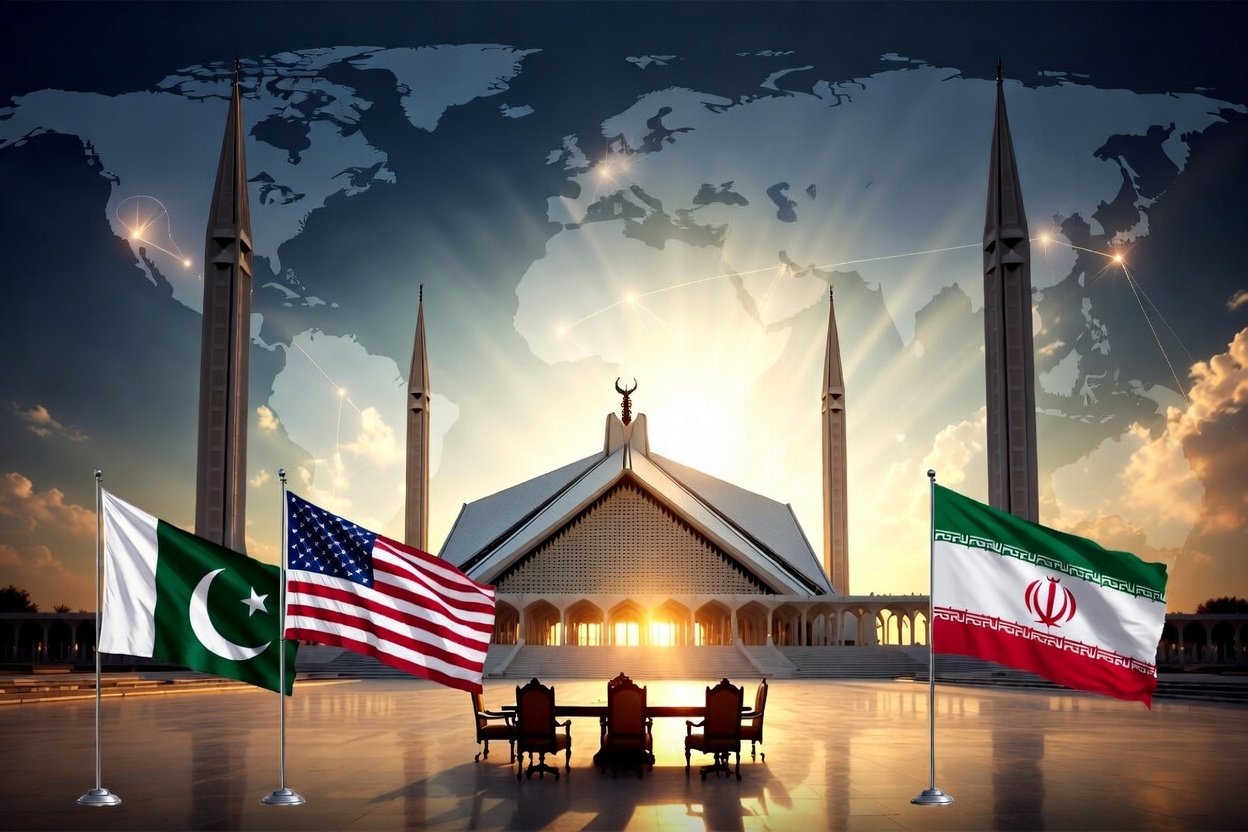
Pakistan has stepped forward to host peace talks between the U.S. and Iran. This move comes at a critical juncture in regional affairs, offering a pathway toward de-escalation and dialogue. The announcement has drawn immense interest, appearing prominently in global media discussions around time magazine cover this week, highlighting Pakistan’s growing stature on the international stage. As tensions have simmered in the Middle East following recent conflicts, Islamabad’s offer to facilitate meaningful negotiations reflects its commitment to stability, rooted in its strategic position and longstanding relationships with both nations. This development not only underscores the potential for constructive engagement but also positions Pakistan as a trusted mediator in complex geopolitical landscapes.
The initiative aligns with broader efforts to foster understanding and resolve longstanding differences through peaceful means. With the world watching closely, these talks could pave the way for a more secure and prosperous future for the region and beyond. Pakistan, as an Islamic republic dedicated to principles of harmony and cooperation, brings a unique perspective shaped by its own experiences in promoting dialogue among diverse stakeholders.
Historical Background of U.S.-Iran Relations
The relationship between the United States and Iran has been marked by periods of cooperation and profound challenges over several decades. From the mid-20th century onward, interactions evolved through various phases influenced by regional dynamics, energy resources, and ideological differences. Early ties included support for development projects, yet shifts in the late 1970s led to significant strains that persisted into subsequent eras.
Key events, such as the 1979 Iranian Revolution, reshaped alliances and introduced complexities that affected bilateral engagement for years. Subsequent decades saw efforts at dialogue interspersed with sanctions and diplomatic standoffs, particularly around nuclear programs and regional security concerns. Despite these hurdles, moments of indirect communication through third parties demonstrated the enduring possibility of negotiation.
Pakistan has often played a quiet but influential role in such contexts, leveraging its geographic proximity to Iran and its alliances with Western partners. This history provides a foundation for the current initiative, where past lessons inform a fresh approach to building trust. Understanding these roots helps contextualize why Pakistan’s involvement today carries such weight, drawing on decades of balanced foreign policy that prioritizes sovereignty and mutual respect.
Analysts point to the resilience of diplomatic channels even during heightened periods of disagreement. The U.S. has consistently emphasized security priorities, while Iran has focused on its sovereign rights and regional influence. These parallel narratives set the stage for the structured talks now under consideration, with Pakistan acting as a neutral ground for exchange.
Pakistan’s Evolving Role in Regional Diplomacy
Pakistan’s emergence as a facilitator in high-stakes negotiations is not accidental but the result of deliberate foreign policy evolution. As a nation with deep historical and cultural ties to both the Middle East and broader Muslim world, Pakistan has cultivated relationships based on shared values of peace and cooperation. Its strategic location, bordering Iran and serving as a bridge to South and Central Asia, enhances its capacity to mediate effectively.
Recent years have seen Pakistan strengthen its diplomatic footprint through engagement with major powers. The country’s leadership has emphasized constructive partnerships that advance stability without compromising core interests. This approach has earned respect from diverse international actors, including the U.S. and Iran, who have both expressed confidence in Pakistan’s ability to host productive discussions.
Key figures in Pakistan’s establishment, including military and civilian leaders, have worked in tandem to project an image of reliability. Prime Minister Shehbaz Sharif and Foreign Minister Ishaq Dar have been instrumental in recent outreach, coordinating with counterparts in Turkey, Egypt, and Saudi Arabia to lay the groundwork for these talks. Such multilateral coordination reflects Pakistan’s understanding that sustainable solutions require collective effort.
For further insights into related diplomatic strategies, readers may explore Pakistan’s Strategic Role in International Relations on NYTodayMagazine. Additionally, Middle East Stability and Global Implications offers complementary perspectives on regional dynamics.
The Recent Conflict: Timeline and Key Events
The current context for these peace talks stems from developments that began in late February 2026. A series of escalations involving U.S. and Israeli actions led to heightened hostilities, including the tragic loss of Iranian leadership figures. Iran responded with measures affecting key maritime routes, prompting urgent calls for de-escalation from multiple quarters.
By late March 2026, diplomatic momentum built rapidly. Meetings in Islamabad brought together foreign ministers from Turkey, Egypt, Saudi Arabia, and Pakistan to explore avenues for ending the conflict. Foreign Minister Dar’s public statement on March 29 emphasized the host nation’s readiness to facilitate talks in the coming days, aiming for a comprehensive settlement. This timeline illustrates the swift transition from confrontation to dialogue, driven by the recognition that prolonged instability serves no one’s interests.
Pakistan’s prompt response, including high-level communications with Iranian President Masoud Pezeshkian, demonstrated proactive leadership. These steps built on earlier indirect contacts and set a clear path forward, even as military postures remained cautious on all sides.
Details of the Proposed Peace Talks
The proposed talks are envisioned as a platform for direct or facilitated discussions between U.S. and Iranian representatives in Islamabad. Pakistan has committed to providing a secure and neutral venue, ensuring all parties can engage freely. The agenda is expected to address core issues such as maritime security, regional influence, and pathways to normalized relations.
No specific date has been finalized publicly, but indications point to proceedings beginning soon. German Foreign Minister Johann Wadephul noted expectations of indirect contacts evolving into direct meetings. This flexibility allows for productive outcomes without rigid preconditions.
Pakistan’s role extends beyond logistics to active facilitation, drawing on its experience in hosting sensitive dialogues. The focus remains on achieving a lasting settlement that respects the sovereignty of all involved nations.
Positions of the United States and Iran
The United States, under President Donald Trump, has outlined priorities centered on security assurances and the reopening of vital waterways. A detailed 15-point framework communicated through Pakistani channels highlights expectations around nuclear-related matters, missile programs, and support for regional proxies. In return, offers include sanctions relief and support for civilian initiatives.
Iran has maintained a firm stance on its rights, rejecting any perceived humiliation while expressing openness to dialogue that upholds dignity. Parliament Speaker Mohammad Bagher Qalibaf voiced skepticism about motives but affirmed readiness to respond to genuine overtures. Iranian forces remain vigilant, yet diplomatic channels indicate willingness to explore de-escalation.
These positions, though divergent, reveal common ground in the desire to avoid further escalation. Pakistan’s mediation aims to bridge gaps through patient negotiation.
Pakistan’s Strategic Advantages as Host
Several factors make Pakistan an ideal host. Its shared border with Iran fosters cultural and people-to-people connections that ease communication. Strong ties with the U.S. provide credibility in Western circles, while deep fraternal bonds with Iran and Gulf states ensure balanced perspectives.
The country’s military and civilian leadership have demonstrated unity in foreign policy, allowing swift decision-making. Domestic stability, despite challenges, supports the focus on international responsibilities. Pakistan’s self-image as a leader in the Muslim world further enhances its legitimacy as a convener.
These advantages position Islamabad uniquely to contribute to outcomes that benefit the broader region.
International Reactions and Support
Reactions from the international community have been largely supportive. China has voiced full backing for Pakistan’s initiative, while European diplomats have welcomed the prospects of dialogue. Gulf nations participating in preparatory meetings signal regional buy-in for peace efforts.
Israel has expressed cautious interest in leveraging achievements through agreements, though emphasizing vital interests. Global observers note the talks’ potential to stabilize energy markets and reduce humanitarian risks.
For additional analysis on Iran’s position in ongoing developments, see How Long Can Iran Continue the War? Analyzing Tehran’s Staying Power in the 2026 Conflict published by NYTodayMagazine.
Potential Challenges and Roadblocks
Despite optimism, challenges remain. Deep-seated mistrust requires careful confidence-building measures. Domestic politics in all countries could influence flexibility at the negotiating table. External actors may seek to complicate proceedings, necessitating vigilant diplomacy.
Pakistan must navigate these dynamics while safeguarding its own security interests. Success will depend on sustained commitment and creative problem-solving from all sides.
Implications for South Asia and the Muslim World
The talks carry profound significance for South Asia, where Pakistan’s leadership could inspire similar initiatives elsewhere. For the wider Muslim world, this represents an opportunity to demonstrate unity in pursuing peace consistent with shared values of justice and reconciliation.
Reduced tensions would alleviate pressures on economies and communities across borders, fostering greater cooperation in trade, culture, and security. Pakistan’s success here could elevate its profile as a constructive global player.
As discussions unfold, the coverage of these pivotal events continues to resonate widely, including references to time magazine cover this week that bring greater visibility to Pakistan’s diplomatic contributions and the urgent need for resolution. This heightened attention reinforces the importance of transparent and inclusive processes.
Economic and Humanitarian Aspects
While direct financial mechanisms are not the focus, the broader impacts on livelihoods and regional connectivity are substantial. Reopening key maritime passages could restore normal flows of goods and energy, benefiting populations far beyond the immediate conflict zone. Humanitarian considerations, including support for affected communities, remain central to any settlement.
Pakistan’s experience in managing complex regional issues equips it to advocate for measures that prioritize human welfare and long-term stability.
Expert Opinions and Analysis
Experts highlight Pakistan’s unique positioning due to its relationships and neutral stance. The New Yorker’s recent Q&A underscores how personal rapport between Pakistani leaders and U.S. counterparts has facilitated communication. Analysts emphasize that success hinges on addressing root causes while building incremental trust.
Comparative studies of past mediations suggest that third-party hosts like Pakistan can achieve breakthroughs when parties seek face-saving exits. The current momentum appears promising, though vigilance is required.
For historical context on Time Magazine’s role in global affairs, refer to the Time (magazine) Wikipedia entry.
Future Prospects for Lasting Peace
Looking ahead, the talks represent more than a temporary ceasefire. They offer a framework for sustained engagement that could transform regional relations. Pakistan’s continued involvement post-hosting could ensure implementation of agreements.
Challenges notwithstanding, the collective desire for peace provides a strong foundation. With dedication from all parties, these negotiations could mark the beginning of a new chapter characterized by cooperation and mutual understanding.
Conclusion
Pakistan’s decision to host peace talks between the U.S. and Iran stands as a testament to the power of diplomacy in resolving complex disputes. From historical roots to current momentum, the process reflects careful preparation and genuine intent. As the world follows developments closely, the potential for positive outcomes remains high.
This initiative not only addresses immediate concerns but also sets a precedent for future conflict resolution. Pakistan, through its principled approach, continues to demonstrate leadership that benefits the global community. The path forward demands patience, creativity, and unwavering commitment to peace—a goal well within reach through collaborative efforts.