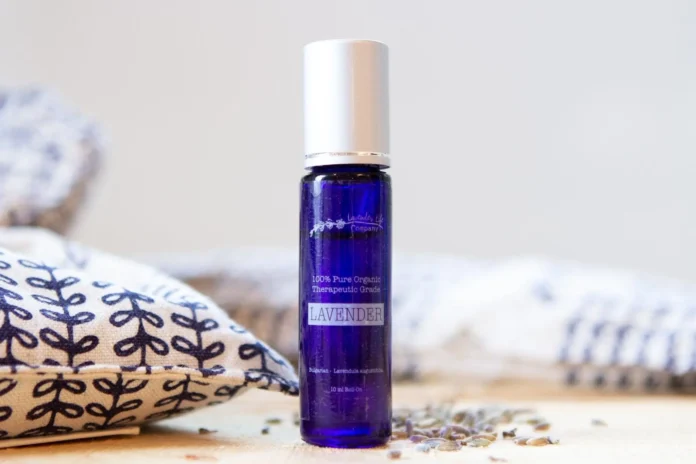
Lavender has a special place in home wellness because it feels familiar, gentle, and timeless. Essential oils lavender pure therapeutic grade is a phrase many shoppers look for when they want a lavender oil that seems suitable for relaxation, room fragrance, and everyday self-care. Lavender oil itself is an essential oil distilled from lavender flower spikes, and it is commonly used in aromatherapy, perfumery, and fragrance products. Like all essential oils, it is a complex natural mixture rather than a single pure compound, which is one reason quality, freshness, and source matter so much.
The challenge is simple to state but not always simple to solve: how do you tell the difference between a bottle that is genuinely well-made and a bottle that is only dressed up with attractive wording? That is where a clear buying guide helps. In this article, you will learn what lavender oil is, what the phrase “therapeutic grade” usually signals in product marketing, how to evaluate purity, how to use lavender oil safely, and how to bring it into a routine that feels peaceful rather than complicated.
What makes lavender oil so widely loved
Lavender is one of the most recognizable scents in the world. Its aroma is soft, floral, and slightly herbal, which makes it useful in many settings. People choose it for a bedroom diffuser, a linen spray, a bath-time ritual, a massage blend, or a simple moment of calm after a busy day. That versatility is a big part of its appeal.
Another reason lavender remains popular is that it fits many lifestyles. It can feel elegant in a minimalist home, comforting in a family space, and refreshing in a personal care routine. Some people enjoy it as a nighttime scent, while others like it as part of a morning reset. The same bottle can serve different purposes without feeling out of place.
Lavender also works well because it blends easily with other notes. It pairs nicely with bergamot, cedarwood, chamomile, rosemary, vanilla-style home scents, and citrus oils. This makes it useful not only on its own but also as the center of a custom blend.
Why the phrase “therapeutic grade” attracts attention
Many shoppers are drawn to the phrase “therapeutic grade” because it sounds reassuring. It suggests that the oil was handled with care and selected for a more refined purpose than a generic fragrance product. In practice, buyers usually use this phrase as a sign that they want a cleaner, better-sourced, more carefully presented oil.
That said, the real value is not in the words alone. It is in the details behind the label. A trustworthy lavender oil should feel transparent from the first glance. The bottle should clearly identify the plant source, list ingredients, show proper packaging, and provide enough company information to inspire confidence. Good packaging matters because essential oils are sensitive to heat, light, and air.
When a seller uses strong claims, it helps to check whether the product page gives useful support such as batch numbers, distillation notes, or testing information. Retail listings often emphasize purity, natural sourcing, and lab testing, which shows how much consumers care about visible quality signals when buying lavender oil online.
How to read a lavender oil label with confidence
A label can tell you a great deal when you know what to look for. Start with the botanical identity. Lavender oil is commonly associated with Lavandula angustifolia, often called English lavender, which is valued for its soft, sweet scent. Related lavender types may smell sharper or more camphorous, so the plant name matters if you are trying to match a specific aroma profile.
Next, check whether the product says “100% pure,” “undiluted,” or “single ingredient.” Those phrases are helpful only if the ingredient list supports them. A quality lavender oil should not hide behind vague wording. If the bottle is blended, the seller should say so clearly. If it is diluted, the dilution should be explained.
It is also wise to look for packaging details. Dark glass bottles help protect essential oils from light. A secure cap and reducer insert can improve storage and dispensing. Even the best lavender oil can lose freshness if the packaging is poor.
Finally, pay attention to the company tone. Reliable brands usually explain where the oil comes from, how it was distilled, and how it should be used. A product page that gives practical information is often more useful than one that only promises miracles.
What purity really means in everyday use
Purity is one of the most important ideas in essential oil shopping, but it is often misunderstood. A pure lavender oil is not “pure” in the sense of being one isolated chemical. Lavender oil naturally contains many aromatic compounds, which is part of why it smells so rich and layered. The goal is not a single molecule; the goal is a genuine, well-handled oil that reflects the plant faithfully.
For the average buyer, purity means that the oil should be free from unnecessary additives, synthetic fragrance shortcuts, and hidden fillers. The scent should smell like real lavender rather than a flat perfume imitation. The texture should feel consistent. The packaging should suggest care.
You can also think about purity in terms of honesty. If the oil is blended with a carrier oil, that is not automatically a problem for topical use, but it should be clearly stated. If the bottle is marketed for aromatherapy, then the labeling should make the intended use obvious. Transparency is part of purity in a practical sense.
Another useful habit is to compare more than one brand. When you read several product pages side by side, patterns emerge quickly. Some brands give real detail. Others rely on broad claims. The more specific the information, the easier it becomes to judge whether the oil is worth your trust.
How lavender oil is commonly made
The most respected lavender oils are usually produced by steam distillation. In simple terms, steam passes through the lavender material, lifts the fragrant compounds, and then condenses into a usable oil. This method is widely associated with high-quality lavender oil because it preserves the plant’s character without relying on heavy processing.
Steam distillation is one reason lavender oil feels so connected to the flower itself. It is not merely a scent created in a lab; it is the aromatic expression of the plant captured in a stable form. That does not mean every distilled oil is automatically excellent. Harvest quality, growing conditions, distillation skill, and storage practices all influence the result.
This is why some oils smell bright and smooth while others smell dull, harsh, or overly sharp. Climate and plant variety can affect the final aroma. So can harvest timing and post-harvest handling. A carefully produced oil tends to feel balanced, while a rushed or careless product often reveals itself through a weaker scent profile.
If you are shopping for home use, the best mindset is to treat the bottle like a crafted ingredient rather than an impulse buy. That single shift in attitude often leads to better purchases and a more satisfying experience.
Ways to use lavender oil at home
Lavender oil is popular because it adapts easily to different routines. One of the simplest methods is diffusion. A few drops in a diffuser can help set a calmer mood in the evening or create a fresher atmosphere in a shared room. This approach is popular because it is easy, low-effort, and pleasant.
Another common use is topical blending. Lavender oil is typically diluted with a carrier oil before being applied to the skin. That may mean mixing it into a gentle body oil, a massage blend, or a simple roll-on. When blended correctly, it can become part of a soothing self-care ritual.
Lavender oil is also useful for linen sprays and room mists. A light spray on pillows, curtains, or bedding can make a room feel cared for and welcoming. Some people enjoy adding it to bath routines, though care should always be taken to keep the oil properly dispersed and safely diluted.
You can also use lavender oil for small household touches. A cotton ball with a drop or two can freshen a drawer, closet, or storage bin. A very light touch is usually enough. With essential oils, more is not always better. A restrained amount often feels cleaner and more elegant than a heavy application.
A gentle routine for better results
If you want lavender oil to feel truly useful, build a routine around it instead of treating it as a random extra. A routine gives the scent purpose and helps it become a part of daily life.
A simple evening routine might look like this: lower the lights, close the day’s screens, diffuse lavender for a short period, and use a quiet skincare or body-care step before bed. That sequence can signal to the mind that the day is ending. Repetition matters because habits create atmosphere.
A weekend routine might be different. You could add lavender to a home reset day, using it after cleaning, while changing bedding, or during a long shower. This turns a routine chore into something that feels more restorative.
A travel routine works too. A small bottle or pre-diluted blend can bring a little familiarity to an unfamiliar place. The scent acts like a portable comfort cue. That is one reason lavender remains such a dependable favorite. It is not only pleasant; it is practical.
The best routine is the one you will actually keep. Start small, keep the scent subtle, and let the habit grow naturally.
How to choose a bottle that feels worth buying
When comparing products, begin with scent description. Good sellers usually describe the aroma in plain language: floral, soft, fresh, herbal, sweet, or balanced. Those words tell you more than dramatic promises do.
Then check the source information. A trustworthy product should clearly say what kind of lavender it contains, how it was processed, and what the bottle includes. If a company mentions quality testing or independent review, that is another useful signal. Many lavender oil listings emphasize independent lab testing and quality assurance because buyers want reassurance about what is inside the bottle.
It also helps to think about bottle size. A smaller bottle is often the best choice for a first purchase because essential oils are strongest when fresh. If you buy too much at once and store it poorly, the fragrance may fade before you use it. A smaller bottle lets you test scent and performance without commitment fatigue.
Finally, look at the price in context. Very cheap oils can be tempting, but extremely low prices sometimes raise questions about quality. A fair price, clear description, and thoughtful packaging often matter more than chasing the lowest number.
Safety matters, even with a gentle oil
Lavender oil is often considered gentle, but gentle does not mean risk-free. It can cause skin irritation or allergic reactions in some people. It may also be unsafe if swallowed, especially for children. The lavender oil article on Wikipedia notes that it is generally recognized as safe for its intended uses, yet it also warns about possible poisoning, irritation, and interactions when misused.
The safest habit is to use dilution whenever the oil touches skin. A patch test is wise before regular topical use. Apply a small amount to a limited area and wait to see how your skin responds. That small step can prevent a much larger problem later.
Diffusion should also be done thoughtfully. A room does not need a strong cloud of scent to feel pleasant. A lighter aroma is usually more comfortable and less overwhelming. Good ventilation matters too.
Storage is part of safety as well. Keep the bottle closed, away from heat and direct sunlight, and out of reach of children. Treat essential oils like concentrated plant extracts, not like ordinary fragrance water.
If you are using lavender oil alongside other wellness products, read labels carefully and avoid mixing too many strong aromas at once. Simplicity is often the safest and nicest choice.
Building a calm space around scent
Lavender oil works best when it is part of an environment that already supports rest. A calm room, soft lighting, clean bedding, and a tidy surface all make the scent feel stronger in a good way. This is less about decoration and more about atmosphere.
That is why lavender fits so naturally with home-centered wellness. A peaceful bathroom, a restful bedroom, or a quiet reading corner can all become more inviting with a subtle aromatic touch. Good scent design is not about overpowering a room. It is about helping the room feel intentional.
You can also coordinate lavender with other calming habits. A warm shower, a cup of herbal tea, a book, or a few minutes of reflection can turn a fragrance into a full routine. The oil becomes one piece of a larger pattern of care.
This is where many people discover the real appeal of lavender. It is not only about the smell. It is about how the smell supports the kind of life you want to build. A home that feels rested often starts with small, repeated choices, and scent is one of the easiest places to begin.
When lavender oil is at its best
Lavender oil tends to feel most valuable when it stays simple. A clean bottle. A calm scent. A clear purpose. Those three elements are enough for many households. You do not need complicated rituals or oversized claims.
The best lavender experiences usually happen when the oil is used sparingly and intentionally. A few drops in the right context can do more than a large amount used carelessly. That is true for diffusion, topical blends, room sprays, and even drawer freshening.
The phrase Essential oils lavender pure therapeutic grade should remind you to look for quality, but quality is not measured by wording alone. It is measured by transparency, scent, packaging, and the seller’s willingness to explain what they are offering. A careful buyer becomes a satisfied buyer.
Lavender is also a good example of why natural products deserve thoughtful handling. The more you learn about the source and the use, the more rewarding the oil becomes. It moves from being a simple purchase to becoming a useful part of your routine.
If you enjoy practical self-care and home wellness content, these related BusinessToMark articles may be useful: Korean Skincare Set for Oily Skin, High Frequency Wand for Hair: Benefits, Uses, and Results, and Contemporary Bathroom Design Trends for Modern Homes.
For a neutral reference on the plant and its oil, see Lavender oil on Wikipedia.
Final thoughts
Lavender oil continues to be one of the most useful and beloved essential oils because it is versatile, familiar, and easy to bring into daily life. When you shop carefully, you can find a bottle that feels clean, useful, and pleasant rather than noisy or overhyped. Focus on clear labeling, sensible packaging, proper dilution, and honest product details. That way, Essential oils lavender pure therapeutic grade becomes more than a search phrase; it becomes a practical guide to choosing a lavender oil that supports calm living, gentle routines, and a more peaceful home.