Introduction
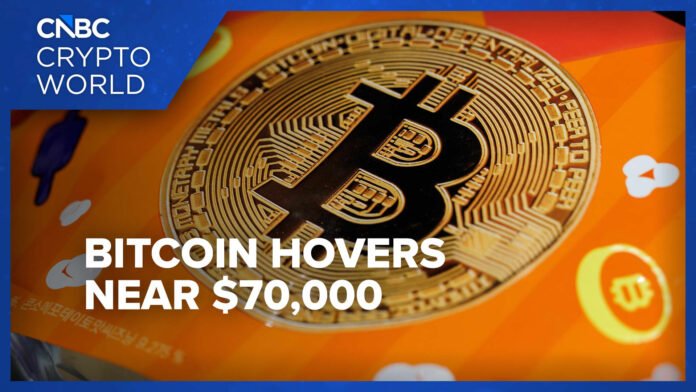
The global financial landscape in 2026 continues to evolve rapidly, and digital assets remain at the center of economic discussions. One of the most talked-about developments is Bitcoin slipping below the $70,000 mark, triggering widespread concern among investors, analysts, and everyday users. The phrase $70000 inflation has become a focal point in financial conversations, symbolizing the intersection of rising prices, currency devaluation, and the shifting value of digital currencies.
This article explores the reasons behind Bitcoin’s movement below $70,000, the impact of inflation fears, and what this means for the future of digital assets. By understanding these dynamics, readers can gain a clearer perspective on market trends and prepare for what lies ahead.
Understanding Bitcoin and Its Role in Modern Finance
Bitcoin is often described as digital gold due to its decentralized nature and limited supply. Unlike traditional currencies, it is not controlled by any central authority, making it an attractive option for those seeking financial independence.
Why Bitcoin Became Popular
Bitcoin gained popularity for several key reasons:
- Limited supply capped at 21 million coins
- Decentralized structure without government control
- Transparency through blockchain technology
- Growing acceptance in global markets
Over the years, Bitcoin has transitioned from a niche asset to a widely recognized store of value. However, its price volatility continues to raise questions about its stability during economic uncertainty.
What Does Bitcoin Below $70000 Mean?
When Bitcoin falls below a major psychological level like $70,000, it signals a shift in market sentiment. This level often acts as a support zone, and breaking below it can lead to increased uncertainty.
Key Implications
- Reduced investor confidence
- Increased selling pressure
- Heightened market volatility
- Shift toward safer investment options
The emergence of $70000 inflation discussions reflects concerns about how broader economic conditions influence Bitcoin’s price.
The Connection Between Inflation and Bitcoin
Inflation refers to the gradual increase in the price of goods and services, reducing purchasing power. Traditionally, assets like gold are used as a hedge against inflation. Bitcoin was expected to serve a similar role.
Why Inflation Affects Bitcoin
- Currency Devaluation
When fiat currencies lose value, investors often turn to alternative assets. - Interest Rate Policies
Higher interest rates can reduce liquidity in the market, affecting Bitcoin demand. - Economic Uncertainty
Inflation creates uncertainty, leading investors to reconsider riskier assets.
Despite being considered an inflation hedge, Bitcoin’s recent decline below $70,000 has raised doubts about its effectiveness in this role.
Factors Driving Bitcoin Below $70000 in 2026
Several interconnected factors have contributed to Bitcoin’s price movement.
Global Economic Conditions
Economic instability across major economies has influenced investor behavior. Rising inflation rates, supply chain disruptions, and geopolitical tensions have created uncertainty in financial markets.
Monetary Policies
Central banks have adopted tighter monetary policies to control inflation. This includes:
- Increasing interest rates
- Reducing money supply
- Limiting liquidity
These measures often lead to reduced investment in digital assets.
Market Sentiment
Investor sentiment plays a crucial role in Bitcoin’s price. Fear and uncertainty can lead to panic selling, pushing prices lower.
The growing conversation around $70000 inflation reflects how inflation fears are shaping market psychology.
Investor Behavior During Inflationary Periods
Investor behavior tends to change significantly during periods of high inflation.
Shift Toward Stability
Many investors prefer stable assets during uncertain times. This can lead to:
- Increased demand for traditional assets
- Reduced interest in volatile investments
- Diversification of portfolios
Short-Term vs Long-Term Strategies
Some investors take a long-term view, believing Bitcoin will recover, while others focus on short-term gains.
Understanding these strategies can help individuals make informed decisions.
Bitcoin as an Inflation Hedge: Myth or Reality?
Bitcoin has often been promoted as a hedge against inflation, but recent trends challenge this idea.
Arguments Supporting Bitcoin as a Hedge
- Limited supply prevents overproduction
- Decentralization reduces government influence
- Global accessibility
Arguments Against
- High volatility
- Dependence on market sentiment
- Sensitivity to economic policies
The debate continues, especially as $70000 inflation concerns highlight the complex relationship between Bitcoin and macroeconomic factors.
Technical Analysis of Bitcoin’s Price Movement
Technical analysis provides insights into Bitcoin’s price trends.
Key Indicators
- Support and resistance levels
- Moving averages
- Trading volume
Breaking below $70,000 indicates a potential shift in trend, which traders closely monitor.
Impact on the Broader Cryptocurrency Market
Bitcoin often sets the tone for the entire cryptocurrency market.
Effects on Other Digital Assets
- Price declines across multiple cryptocurrencies
- Reduced market capitalization
- Increased volatility
When Bitcoin experiences significant changes, it influences investor confidence across the board.
Role of Institutional Investors
Institutional investors have become major players in the Bitcoin market.
Their Influence
- Large-scale investments can drive price movements
- Strategic decisions impact market trends
- Increased legitimacy for digital assets
However, institutional involvement also introduces new dynamics, including greater sensitivity to economic conditions.
Regulatory Environment in 2026
Regulation plays a crucial role in shaping the cryptocurrency market.
Key Developments
- Stricter compliance requirements
- Increased oversight
- Efforts to ensure transparency
Regulatory changes can impact investor confidence and market stability.
Psychological Impact of Price Drops
Price declines can have a significant psychological effect on investors.
Common Reactions
- Fear and panic selling
- Doubt about long-term value
- Increased caution in investment decisions
Understanding these reactions can help investors maintain a balanced perspective.
Long-Term Outlook for Bitcoin
Despite short-term fluctuations, Bitcoin’s long-term prospects remain a topic of interest.
Potential Growth Drivers
- Increased adoption
- Technological advancements
- Greater integration into financial systems
While $70000 inflation concerns dominate current discussions, long-term trends may differ.
Strategies for Navigating Market Uncertainty
Investors can adopt various strategies to manage risk during uncertain times.
Diversification
Spreading investments across different asset classes can reduce risk.
Staying Informed
Keeping up with market trends and economic developments is essential.
Long-Term Perspective
Focusing on long-term goals can help investors avoid emotional decisions.
Related Keywords and Concepts
- Bitcoin price analysis
- inflation impact on cryptocurrency
- digital asset market trends
- cryptocurrency volatility
- Bitcoin investment strategies
- global economic uncertainty
- crypto market outlook 2026
Future Scenarios for Bitcoin
Several possible scenarios could unfold in the coming years.
Recovery Scenario
Bitcoin regains momentum and surpasses previous highs.
Stabilization Scenario
Prices stabilize within a certain range, reducing volatility.
Decline Scenario
Continued economic challenges lead to further price drops.
Each scenario depends on various factors, including economic conditions and investor behavior.
Also Read: Crypto Price Prediction 2026 for Bitcoin Ethereum and Solana: A Comprehensive Outlook
Conclusion
The drop of Bitcoin below $70,000 in 2026 highlights the complex relationship between digital assets and global economic conditions. The rise of $70000 inflation discussions underscores the growing concern about inflation and its impact on financial markets.
While short-term volatility may create uncertainty, Bitcoin’s long-term potential remains significant. By understanding the factors driving these changes, investors can make more informed decisions and navigate the evolving financial landscape with confidence.