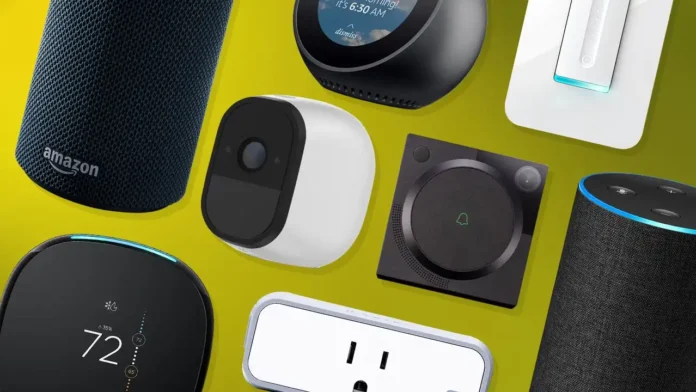
A connected home works best when every device speaks the same language. That is why a Smart Home Hub Alexa Compatible setup matters so much. It gives you one place to control lights, locks, thermostats, cameras, plugs, routines, and room-by-room automations without jumping between different apps. Amazon’s Alexa smart-home ecosystem includes Alexa-enabled control panels, smart-home routines, and Matter support that can connect compatible devices directly to Alexa with lower latency and better reliability.
The real value of a hub is not just convenience. It is consistency. When a hub is built for Alexa, the setup feels smoother, voice control becomes more dependable, and daily tasks become easier to automate. For many homes, that means turning on lights with a spoken command, checking camera feeds from a single dashboard, or creating a morning routine that starts the coffee maker, opens the blinds, and adjusts the temperature at once. Amazon’s current Alexa smart-home pages describe this kind of multi-device control and routine management as a core part of the experience.
What an Alexa-Compatible Smart Home Hub Actually Does
A smart home hub is the bridge that helps different devices work together. In simple terms, it brings communication under one roof. Instead of every bulb, sensor, and switch relying on separate settings, the hub gathers them into a shared system that Alexa can understand. A Smart Home Hub Alexa Compatible setup usually makes this process easier by letting Alexa control supported devices through voice, app dashboards, automations, or sometimes local protocols such as Matter, Zigbee, and Thread. Amazon’s documentation and device pages show that Alexa-connected hubs and displays are designed to control many types of home devices from one interface.
That matters because a smart home is only truly useful when it feels unified. If your lights are in one app, your camera is in another, and your thermostat is in a third, you lose the simplicity that smart home technology promises. A good hub reduces that clutter and turns scattered devices into one responsive system.
Why Alexa Compatibility Matters
Alexa compatibility gives you access to a familiar voice assistant that already supports broad smart-home control. Amazon’s Alexa smart-home pages emphasize voice control, device management, and routines as central features. That means you can ask Alexa to switch on a room, adjust a device, or start a sequence of actions that happens automatically every day. Amazon also notes that Matter-supported devices can connect directly to Alexa without a separate hub or skill in some cases, which can reduce friction during setup and improve reliability.
For families, this means less confusion. For busy people, it means fewer taps. For anyone building a home that feels organized and responsive, it means a more natural way to live with technology. That is why many buyers now look for a Smart Home Hub Alexa Compatible option before they invest in the rest of their smart devices.
Key Features to Look for Before Buying
When shopping for the right hub, the most important question is not “Does it look good?” It is “Will it work smoothly with my devices now and later?” The best Alexa-compatible hub should make your home easier to manage, not harder.
Device compatibility
Start with the devices you already own. Check whether the hub supports the brands and categories in your home, such as bulbs, switches, locks, sensors, cameras, thermostats, and plugs. Amazon’s Alexa pages and Echo Hub materials show support for many smart-home categories, including lighting, plugs, camera feeds, locks, and routines.
Protocol support
A strong hub should support the communication standards your devices use. Matter is especially useful because Amazon says it can let compatible smart-home devices connect directly to Alexa without a separate hub or skill. Zigbee and Thread are also important in many smart homes because they can support stable device networks and local control. Amazon’s newer hub-focused devices highlight support for Zigbee, Matter, and Thread.
Simple dashboard or app
A great hub should make control easy to see. Touchscreens, clean dashboards, and grouped device tiles help a lot. Amazon’s Echo Hub is described as an Alexa-enabled control panel designed to organize and control devices from one dashboard, including routines and camera feeds.
Strong routine support
Automations are where smart homes become genuinely helpful. Look for hubs that can trigger actions based on time, motion, presence, temperature, or manual commands. Alexa’s smart-home pages emphasize routines and multi-action device management as part of the ecosystem.
Good voice response
Voice is still one of the main reasons people choose Alexa. The best hubs should answer commands quickly and reliably, especially when you are controlling multiple devices at once. A fast response makes the home feel intuitive, while lag makes automation feel frustrating.
Privacy and local control
The more local control your hub supports, the better. Local operation can reduce dependence on cloud services and improve speed and reliability. Amazon’s Matter documentation says direct local connection can reduce latency and improve reliability. That is a meaningful advantage for everyday home use.
The Best Rooms to Start With
Some rooms benefit from a smart hub more than others. The easiest wins are often the places where you repeat the same actions every day.
Living room
This is usually the most visible smart-home area. Lights, fans, blinds, TV power, sound systems, and camera views can all be grouped together. A hub makes it easy to switch between “movie mode,” “evening mode,” and “all off” with one command.
Bedroom
A bedroom smart setup works well when it focuses on calm and convenience. You can set a wake-up routine, dim the lights at night, and control temperature from one place. With Alexa routines, the room can feel more restful and less cluttered.
Kitchen
Kitchen automations often focus on timing and reminders. You can use voice commands while cooking, check a timer hands-free, or control lighting when your hands are full. A hub that responds fast is especially helpful here.
Entryway
This is where locks, cameras, and motion alerts matter most. A unified dashboard makes it easier to see who is at the door and to manage access without searching through different apps. Amazon’s Echo Hub materials specifically mention locks and camera feeds as part of the device experience.
How to Set Up a Smart Home Hub the Right Way
A smart home is easiest to enjoy when the setup is done in a clean order. Rushing often leads to disconnected devices, repeated resets, and app confusion. A careful setup gives better results.
Step 1: List every device first
Write down your current smart devices and note their connection type. Identify which ones use Wi-Fi, Matter, Zigbee, or another supported standard. This saves time later and helps you avoid buying a hub that does not fit your current system.
Step 2: Choose a hub that matches your ecosystem
If Alexa is your main assistant, pick a hub built to work with it naturally. An Alexa-friendly hub should support routines, voice commands, and easy device grouping. Amazon’s Alexa smart-home pages and Echo Hub product materials show that this is exactly the kind of experience Amazon is pushing.
Step 3: Place the hub in a central spot
Location matters. Put the hub where you can reach it easily and where wireless signals will stay stable. Central placement helps the hub communicate better with the rest of the home.
Step 4: Add devices in small groups
Do not try to connect everything at once. Start with lights, then plugs, then cameras, then sensors, then locks. This makes troubleshooting much easier if one device does not appear correctly.
Step 5: Build one routine at a time
Begin with a simple routine, such as “good morning” or “good night.” Once that works properly, add more actions. Small routines are easier to test and adjust.
Step 6: Test commands in different ways
Try voice control, the app, and the hub interface if it has one. The goal is to make sure each control path works the way you expect.
Best Practices for a Smooth Alexa Experience
Even a good hub can feel weak if the home network is not ready. A smart home depends heavily on stable connectivity, so the wireless network deserves as much attention as the devices themselves. Business To Mark’s tech coverage often emphasizes practical digital setup and device troubleshooting, including wireless performance and smart-device topics, which fits the same home-tech mindset.
Geekzilla T3: Ultimate Hub for Tech Enthusiasts — a technology-focused hub covering smart devices, consumer electronics, and tech trends.
Keep your router updated, avoid overcrowding one band with too many devices, and place smart-home hardware where it can maintain a strong signal. If your home is large, a better mesh network can help. Business To Mark has also published a guide on setting up home WiFi mesh systems, which is a useful companion topic for any Alexa-powered home.
It also helps to use clear names for each device. Instead of “Light 1” and “Plug 2,” name them according to the room and purpose. For example, “Living Room Lamp” or “Kitchen Coffee Plug” is much easier to remember during voice commands.
Best Real Estate Investment Tips with Smart Home Design and Interior Planning — a helpful look at how smart-home planning fits into modern living spaces.
Common Mistakes to Avoid
Many buyers spend money on smart devices first and think about the hub later. That is backwards. A better approach is to plan the control system first, then expand around it.
Another mistake is buying devices without checking platform support. Some gadgets work best only with their own app, while others fit Alexa far better. Amazon’s Alexa compatibility and Matter documentation make it clear that platform support can change how easy your system is to use.
A third mistake is expecting every smart product to act the same way. Some devices are perfect for voice commands. Others are better for automation. Others simply need a good dashboard. A strong Smart Home Hub Alexa Compatible choice should support all three styles without making the user fight the system.
Related Keywords to Use Naturally
Here are some useful related terms that fit this topic well: Alexa smart home hub, smart home control panel, Alexa routines, Matter compatible hub, Zigbee hub, Thread support, home automation dashboard, voice control for smart home, Alexa enabled hub, smart device integration.
Why the Right Hub Saves Time Every Day
The biggest advantage of a smart hub is not luxury. It is time. A small action repeated every day becomes a major convenience when it is automated. Turning off every light one by one, checking each camera in a separate app, or adjusting devices individually may not seem difficult at first, but over months it becomes tiring.
A better hub removes that friction. It creates a system that feels calm, organized, and predictable. That is especially true in homes where several people need access, where children or older family members may prefer voice control, or where routines must happen reliably without constant app switching.
This is also why the Smart Home Hub Alexa Compatible approach is popular among people who want a home that feels useful instead of complicated. With the right setup, the technology fades into the background and the home simply responds when needed.
How to Think About Value Instead of Just Price
A low-cost hub may look attractive, but value is more important than the sticker price. A device that saves you from repeated setup problems, supports more of your equipment, and stays compatible longer is often the better purchase.
How to Fix Slow WiFi on iPhone in 2026 with These Essential Expert Tips — useful if your smart home depends on stronger wireless performance.
Look at the whole picture: compatibility, reliability, app quality, local protocol support, routine strength, and dashboard ease. Amazon’s current Alexa and Echo Hub ecosystem shows that the market is moving toward broader device support, better routines, and more local smart-home connectivity through Matter and similar standards.
That means the best hub is usually the one that can grow with your home, not just the one that works today.
Final Thoughts
A smart home should make life simpler, not busier. That is the real promise behind a Smart Home Hub Alexa Compatible setup. When the hub, devices, routines, and network are all aligned, the whole house becomes easier to manage. Alexa compatibility adds voice control, routine automation, and a familiar interface, while Matter and other supported standards can improve flexibility and reliability.
If you are building a connected home from scratch or improving an older setup, focus on compatibility first, then expand room by room. That approach saves money, reduces frustration, and creates a smart home that feels truly useful every day.
For a direct Alexa-related reference, see the official Amazon smart-home page: Amazon Alexa Smart Home. Amazon describes Alexa-enabled control, routines, and compatible device management there.