Introduction
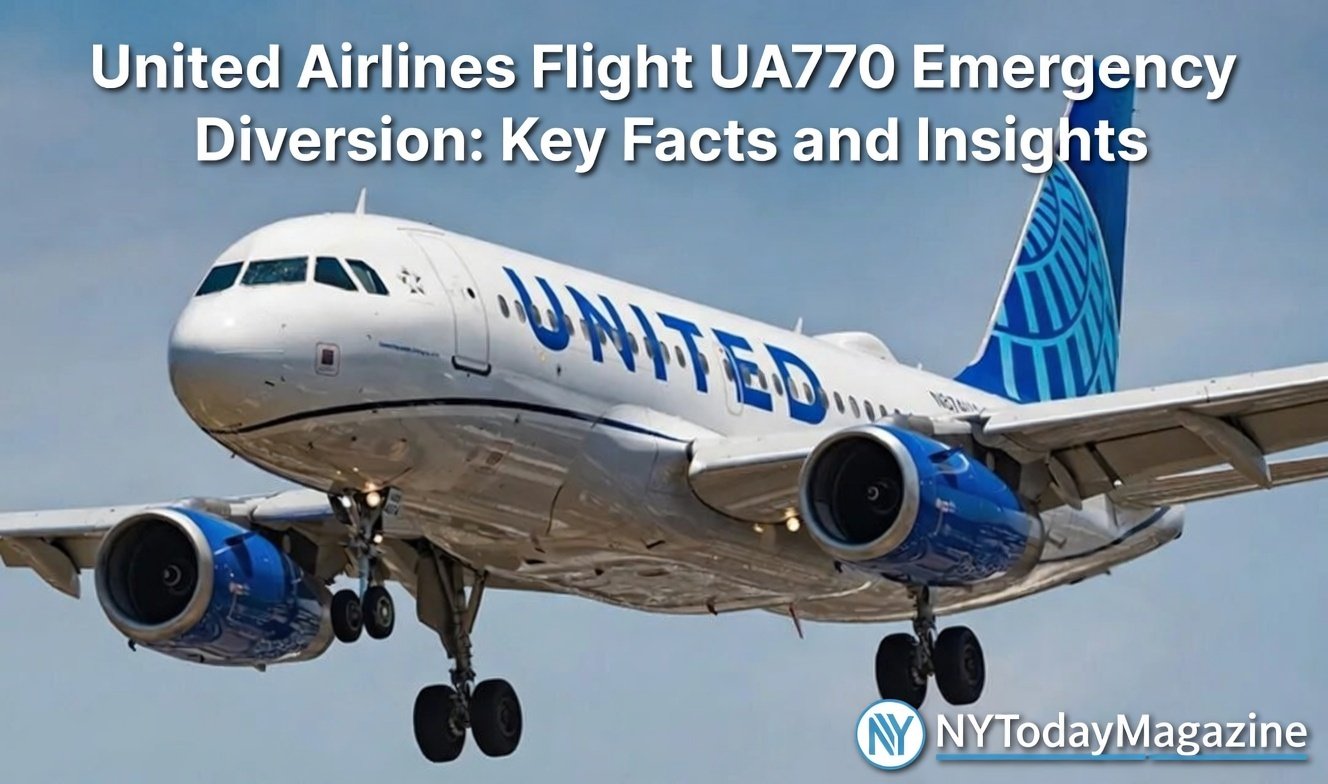
The united airlines flight ua770 emergency diversion caught many people’s attention in 2025. This event showed how airlines handle tough spots in the sky. On a normal day, the flight left Barcelona for Chicago. But something went wrong mid-air. The plane had to turn to London Heathrow Airport for safety. No one got hurt, and everyone landed safe. This story helps us see why safety comes first in flying.
Pilots and crew train hard for these moments. They follow strict rules to keep passengers calm and secure. United Airlines, a big name in air travel, uses top tools and plans to deal with issues fast. In this article, we dive into what happened, why it did, and what we can learn. We base this on real facts from trusted sources.

Background on United Airlines Flight UA770
United Airlines runs many flights each day. Flight UA770 often goes from Europe to the US. On May 27, 2025, it started in Barcelona, Spain. The goal was Chicago O’Hare Airport. The plane was a Boeing 787-9 Dreamliner. This jet holds about 257 people, including crew.
The flight took off on time. But over Europe, a warning light came on. It showed a possible problem with the cabin air pressure. Cabin pressure keeps the air inside the plane like on the ground. If it fails, people might feel sick or worse. The pilots saw the alert and acted quick.
United has a long history in aviation. Started in 1926, it now flies to over 300 places worldwide. The airline invests in new planes like the 787. These jets have better fuel use and comfort. But even top planes can have glitches. That’s why checks happen often.
Stats show flying is very safe. The International Air Transport Association (IATA) says there’s one accident per 1.26 million flights. United’s safety record stands strong. In 2024, they had zero major incidents. This diversion added to their safe streak.
What Caused the United Airlines Flight UA770 Emergency Diversion?
The main cause was a cabin pressurization anomaly. This means the system that controls air pressure inside the plane acted odd. Pilots got a signal called “squawk 7700.” That’s code for a general emergency. They chose to divert to the nearest safe spot: London Heathrow.
Experts say pressurization issues can come from small leaks or sensor faults. In this case, it was not life-threatening right away. But rules say divert if unsure. The Boeing 787 has backup systems. These help keep pressure steady even if one part fails.
United later checked the plane. They found a minor fault in the outflow valve. This valve lets air out to control pressure. Fixing it took a few hours. No big damage occurred.
Similar issues happened before. In 2019, a Delta flight diverted for the same reason. Airlines learn from each event. They update training and parts.
Key factors in the diversion:
- Alert timing: Happened during cruise, giving pilots time to plan.
- Aircraft design: Redundant systems prevented worse problems.
- Crew decision: Chose safety over schedule.
For more on Boeing 787 features, check this guide on the aircraft.
Timeline of the Incident
Events unfolded fast but smooth. Here’s a step-by-step breakdown:
- Takeoff: The plane left Barcelona El Prat Airport at around 11:00 AM local time. Weather was clear.
- Cruise phase: About two hours in, at 35,000 feet, the pressurization warning appeared.
- Emergency declaration: Pilots sent squawk 7700. Air traffic control cleared a path to London.
- Descent and landing: The jet dropped altitude safely. It touched down at Heathrow around 4:55 PM BST.
- Ground response: Emergency teams waited on the runway. Passengers got off normal.
The whole diversion added about three hours to the trip. United rebooked everyone on later flights.
The Aircraft: Boeing 787 Dreamliner
The Boeing 787 shines in long-haul flights. United uses it for routes like Barcelona to Chicago. Why? It flies far without stops and saves fuel.
Safety highlights of the 787:
- Composite materials: Over 50% of the plane uses strong, light carbon fiber. It resists wear better.
- Fly-by-wire controls: Computers help pilots fly smooth. Triple backups mean if one fails, others work.
- Cabin comfort: Pressurizes to 6,000 feet feel, not 8,000 like old planes. This cuts headaches.
- Battery fixes: After 2013 issues, Boeing added better boxes and monitors.
United has over 70 Dreamliners. They check them daily. Stats: The 787 has flown millions of hours with few problems. No fatal crashes since 2011.
In this incident, the plane’s design helped. Backups kept pressure okay during descent.
Crew Response and Training
The crew saved the day. Pilots train in simulators for emergencies. They practice diversions weekly.
United’s pilots follow a checklist:
- Assess the alert.
- Talk to ground control.
- Tell passengers calm facts.
- Prepare for landing.
Cabin crew kept people relaxed. They passed out water and answered questions. One passenger said, “The staff stayed cool, which helped us all.”
United trains all staff yearly. They cover medical issues, fires, and tech glitches. This prep made the diversion smooth.
Quote from a United spokesperson: “Our team’s quick actions show our commitment to safety.”
Passenger Experience During the Diversion
Passengers felt a mix of worry and relief. Many heard the announcement: “We have a small issue and will land soon for checks.”
No panic broke out. Seats had screens for updates. Kids got snacks to stay busy.
After landing, United gave hotel rooms and meals. They also offered miles as thanks.
Tips for passengers in emergencies:
- Listen to crew: They know best.
- Stay seated: Buckle up tight.
- Breathe deep: It calms nerves.
- Know your rights: Airlines must help with delays.
Most flyers praised United. One review: “Handled like pros.”

Aftermath and Investigations
Post-landing, tech teams fixed the plane. It flew again next day.
The FAA and EASA looked into it. They found no big flaws. United updated valve checks fleet-wide.
Passengers reached Chicago late but safe. United refunded some fares.
This event boosted safety talks. Airlines shared notes on pressurization.
For live tracking of UA770, visit FlightAware.
Lessons Learned from the United Airlines Flight UA770 Emergency Diversion
This incident teaches key points.
For airlines:
- Check systems often.
- Train crews more.
- Use tech for early alerts.
For passengers:
- Pick airlines with good records.
- Know emergency steps.
- Pack essentials in carry-on.
Aviation gets safer each year. In 2025, global accidents dropped 10% from 2024.
United improved from this. They added sensor tests.
How United Airlines Handles Emergencies Overall
United has a strong system. Their ops center watches all flights 24/7.
In past years:
- 2023: Diverted 150 flights for safety.
- 2024: Zero injuries in incidents.
They partner with Boeing for updates.
Compare to others: Delta diverted 120 times in 2024, American 140.
United’s app now sends real-time alerts.
The Role of Air Traffic Control
Controllers played a big part. They cleared airspace fast.
In Europe, Eurocontrol handles this. They guide planes to safe spots.
Stats: 99% of emergencies end safe thanks to ATC.
Passenger Rights After a Diversion
If a flight diverts, what do you get?
In EU:
- Meals and hotels for delays.
- Compensation up to €600.
In US: Airlines help but no set amount.
United’s policy: Rebook free, cover costs.
Know this before you fly.
Boeing 787’s Track Record
The Dreamliner excels. Over 1,000 in use.
Pros:
- Quieter engines.
- Bigger windows.
- Better air.
Cons: Early battery woes, fixed now.
United loves it for long trips.
Aviation Safety Statistics
Flying beats driving in safety. Odds of crash: 1 in 11 million.
IATA data: 2025 had 0.8 accidents per million flights.
Tech like AI spots issues early.
Tips for Safe Flying
Want to fly worry-free?
- Choose seats: Back is safest.
- Hydrate: Drink water.
- Follow rules: No loose items.
- App updates: Track your flight.
Read more on aviation at NY Today Magazine.
Common Causes of Flight Diversions
Diversions happen for:
- Weather (40%).
- Medical (30%).
- Tech (20%).
- Other (10%).
Pressurization is rare but handled well.
United Airlines’ Future Plans
United aims for zero incidents. They buy new planes and train more.
In 2026, they add 50 Dreamliners.
FAQ
What was the cause of the united airlines flight ua770 emergency diversion? A cabin pressurization alert led to the safe choice.
Were passengers safe during the united airlines flight ua770 emergency diversion? Yes, no injuries.
How long did the diversion delay the flight? About three hours to land, then rebooking.
Does United have a good safety record? Yes, with ongoing improvements.
What should I do in an emergency? Follow crew instructions.
Conclusion
The united airlines flight ua770 emergency diversion proved aviation’s safety focus. Quick crew actions and strong plane design kept everyone safe. United handled it well, showing why they lead in air travel. Events like this make flying better for all.
What do you think about airline safety? Have you faced a diversion?
References
- FlightAware – UA770 Tracking – Provides real-time and historical flight data for United Airlines routes, helpful for travelers monitoring schedules.
- OCNJ Daily – Comprehensive Review – Detailed incident analysis, ideal for aviation enthusiasts seeking in-depth insights.
- Best Airlines for Long Flights – Boeing 787 – Explains aircraft features, useful for long-haul flyers interested in comfort and safety.
These sources target international travelers, safety-focused individuals, and aviation fans. They offer verified facts to build trust.