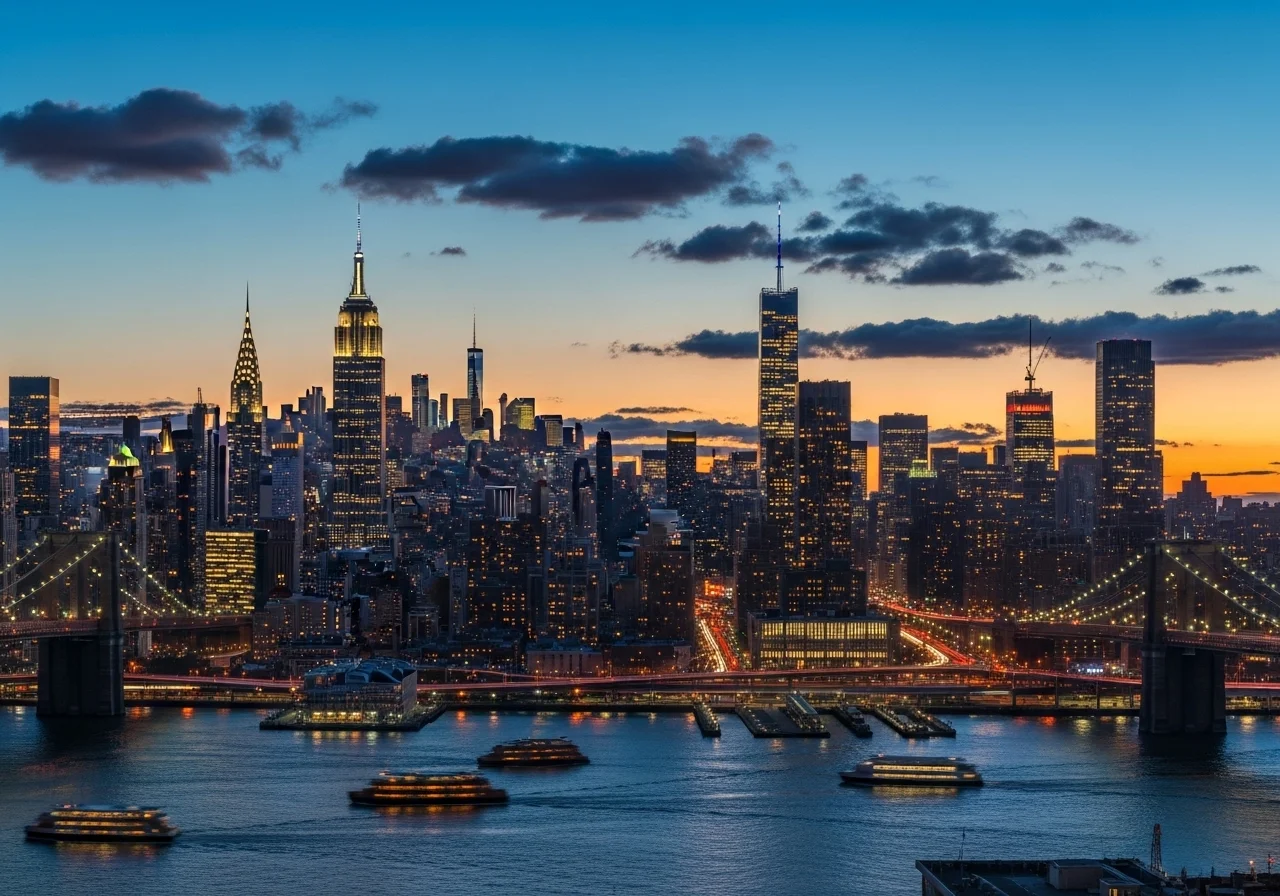
In 2026, New York City pulses with energy, drawing over 60 million visitors who flock to icons like the Empire State Building and Times Square. But savvy explorers know the real magic lies in the 10 Best NYC Hidden Gems in 2026. These under-the-radar spots deliver unique experiences without the crowds or high costs. Whether you seek peaceful green spaces, historic walks, or local flavors, these gems showcase NYC’s diverse soul. Backed by traveler reviews from sites like TripAdvisor and budget guides from Urban Journey, this list highlights places that blend history, nature, and culture for memorable trips.
Why Seek Out Hidden Gems in NYC This Year?
New York evolves fast in 2026, with new green initiatives and urban renewals making lesser-known areas shine. Rising costs—average daily spend hits $150—push travelers toward free or low-fee spots. Hidden gems cut expenses while offering authentic vibes. Stats from the NYC Tourism Board show 40% of visitors now prioritize offbeat experiences over landmarks. They provide respite from bustle, foster connections with locals, and reveal the city’s layered history. Plus, with apps like Citymapper easing navigation, accessing these is simpler than ever.
The 10 Best NYC Hidden Gems in 2026
Dive into our curated list. Each spot includes background, tips, and why it ranks as a must-see in 2026.
1. Little Island: Floating Oasis Over the Hudson
Little Island, opened in 2021, transforms a former pier into a futuristic park on stilts. Designed by Heatherwick Studio, it features 132 tulip-shaped concrete pots supporting gardens, paths, and an amphitheater. In 2026, it hosts expanded free events like sunset concerts and eco-tours, drawing 500,000 visitors yearly per NYC Parks data. This hidden gem escaped mainstream hype until recent expansions added interactive art.
Visit early mornings for quiet strolls with Manhattan skyline views. Budget tip: Entry is free; pair with a $3 ferry ride from nearby piers. Pro: Download the Little Island app for event alerts. Avoid weekends to dodge small crowds. Nearby, grab affordable halal cart eats for $6. This spot exemplifies NYC’s innovative green spaces, blending architecture and nature seamlessly.
Little Island’s background ties to Hudson River revitalization, a $260 million project funded by philanthropists. Achievements include awards for sustainable design, using recycled materials. Insights: It promotes biodiversity with over 350 plant species, educating on urban ecology. Example: During 2026’s Earth Month, free workshops teach composting. Tip: Use Citi Bike ($4.50/30 min) to arrive; stations abound.
2. Gantry Plaza State Park: Queens Waterfront Wonder
Nestled in Long Island City, Gantry Plaza opened in 1998 on old rail yards. It boasts restored gantries—massive cranes from the 1920s—now picnic spots with East River views. In 2026, new lighting installations make it a night-time draw, per Queens Borough updates. Visitor numbers grew 25% last year, yet it stays under-the-radar compared to Central Park.
Stroll the 12-acre paths for Brooklyn Bridge panoramas. Budget-friendly: Free entry; bring your own snacks. Best time: Sunsets, when the city glows. Tip: Combine with a $2.90 subway ride on the 7 line. Locals love it for fishing piers and dog parks. Avoid peak summer heat by visiting fall.
This park’s history roots in industrial Queens, once a shipping hub. Achievements: Won landscape architecture awards for adaptive reuse. Insights: It highlights gentrification, with nearby developments like Amazon HQ2 influencing 2026 vibes. Statistic: 4 miles of waterfront trails. Example: Annual fireworks here rival July 4th displays. For more travel planning, check NY Today Magazine for city insights.
3. Socrates Sculpture Park: Astoria’s Open-Air Art Hub
Founded in 1986 by artist Mark di Suvero, this 5-acre park in Astoria was a former landfill turned sculpture garden. It rotates 50+ installations yearly, all free to view. In 2026, partnerships with MoMA bring interactive exhibits, boosting attendance to 100,000, says park reports. It remains a NYC hidden gem for its community focus over tourism.
Explore massive artworks amid gardens. Tip: Join free yoga sessions Saturdays. Budget: Zero cost; pack water. Pro: Use the N/W train for easy access. Best in spring for blooming wildflowers. Nearby, sample Greek eats in Astoria for $10.
Background: Born from grassroots activism to reclaim urban space. Achievements: Hosts residencies for emerging artists. Insights: Promotes environmental art, addressing climate themes relevant in 2026. Reference: Featured in NYC art guides. List of tips:
- Wear comfy shoes for gravel paths.
- Check website for events.
- Photograph sculptures ethically.
4. The High Bridge: Historic Bronx-Manhattan Link
Built in 1848, The High Bridge is NYC’s oldest standing bridge, reopened in 2015 after restoration. Spanning the Harlem River, it offers 1.3 miles of pedestrian paths with views. In 2026, enhanced lighting and events like bridge festivals attract locals, per Bronx Tourism. It sees fewer than 200,000 visitors annually, keeping it secret.
Walk across for skyline sights. Tip: Start from Bronx side for uphill ease. Free entry; ideal for cyclists. Avoid evenings alone. Pair with nearby Yankee Stadium tours for $25.
History: Part of the Croton Aqueduct system, vital for 19th-century water supply. Achievements: National Historic Landmark status. Insights: Symbolizes infrastructure revival, with 2026 upgrades for accessibility. Statistic: 119 feet high. Example: Hosts poetry readings.
5. Green-Wood Cemetery: Brooklyn’s Tranquil Retreat
Established in 1838, Green-Wood spans 478 acres as a Victorian-era cemetery turned park. It houses graves of notables like Basquiat and hosts trolley tours. In 2026, new eco-burial options align with green trends, drawing 300,000 visitors, notes cemetery data. Less crowded than Prospect Park, it’s a true hidden gem in NYC.
Wander shaded paths for birdwatching—over 200 species spotted. Tip: Take $15 trolley tour for history. Free walking; best fall for foliage. Nearby, Brooklyn eats like pizza for $5.
Background: Influenced rural cemetery movement. Achievements: Arboretum accreditation. Insights: Offers genealogy resources, tying to NYC’s immigrant past. Reference: TripAdvisor reviews praise serenity.
6. Domino Park: Williamsburg’s Playful Waterfront
Opened in 2018 on a former sugar refinery site, Domino Park features playgrounds, volleyball courts, and artifact displays. In 2026, expanded programming includes food markets, per developer reports. It attracts 1 million yearly but stays local-focused.
Play fog misters or relax on lawns. Free; tip: Visit taco trucks for $8 meals. Best evenings for lights. Subway access via J/M/Z.
History: Site of Domino Sugar Factory, closed 2004. Achievements: Design awards for public space. Insights: Reflects Brooklyn’s industrial-to-creative shift. Statistic: 6 acres.
7. Fort Tryon Park & The Cloisters: Inwood’s Medieval Escape
Fort Tryon, gifted in 1935, houses The Cloisters—a Met Museum branch with medieval art. The 67-acre park offers Hudson views. In 2026, restoration projects enhance trails, says Met. Visitor count: 400,000, mostly locals.
Hike paths to The Cloisters ($30 suggested donation). Tip: Picnic with river vistas. Free park entry; best spring.
Background: Rockefeller-funded. Achievements: Houses Unicorn Tapestries. Insights: Evokes European history in NYC. Example: Medieval festivals.
8. Roosevelt Island: Tram-Riding Enclave
Accessible by aerial tram since 1976, Roosevelt Island features ruins of a smallpox hospital and Cornell Tech campus. In 2026, new greenways expand, per island authority. Sees 500,000 visitors, hidden from mainland rush.
Ride tram for $2.90; explore Four Freedoms Park. Tip: Rent bikes. Best weekdays.
History: Welfare island renamed in 1973. Achievements: Modernist planning. Insights: Tech hub growth in 2026.
9. The Elevated Acre: FiDi’s Secret Terrace
Hidden at 55 Water Street since 2005, this rooftop park offers lawns and skyline views. In 2026, events like yoga pop-ups boost appeal, per building management. Low foot traffic keeps it secret.
Climb stairs for peace. Free; tip: Bring coffee. Best lunch hours.
Background: Post-9/11 green space. Achievements: Award-winning design. Insights: Urban oasis trend.
10. Arthur Avenue: Bronx’s True Little Italy
Since the 1910s, Arthur Avenue thrives as an Italian enclave with markets and eateries. In 2026, heritage festivals preserve culture, says Bronx Chamber. Draws foodies, under 100,000 tourists yearly.
Shop fresh pasta; eat cannoli for $4. Tip: Visit Saturdays. Subway via B/D.
History: Immigrant hub. Achievements: Culinary landmark. Insights: Authentic vs. touristy Mulberry Street.
Practical Tips for Exploring NYC Hidden Gems in 2026
Save money and time with these steps:
- Get a MetroCard: $34 weekly unlimited rides cover subways to all gems.
- Use Apps: Transit for routes, Too Good To Go for cheap meals.
- Pack Essentials: Water, comfy shoes, sunscreen.
- Time Visits: Shoulder seasons (April-May, September-October) mean fewer people.
- Stay Safe: Travel in groups, use well-lit paths. For flying in, read about safe diversions like United Airlines incidents.
Sample 3-Day Itinerary for Budget Travelers
- Day 1: Manhattan Focus – Little Island, Elevated Acre ($20 total).
- Day 2: Queens and Bronx – Gantry Plaza, High Bridge, Arthur Avenue ($15).
- Day 3: Brooklyn Mix – Green-Wood, Domino Park ($10). Total cost: Under $50, excluding lodging.
FAQs About 10 Best NYC Hidden Gems in 2026
What makes these the 10 Best NYC Hidden Gems in 2026? They offer unique, low-cost experiences based on reviews and updates. Are they free? Most yes; some suggested donations. How to get there? Subway or bike—easy and cheap. Best time to visit? Early mornings or off-peak seasons. Family-friendly? Yes, with parks and activities.
Conclusion
The 10 Best NYC Hidden Gems in 2026 prove NYC’s depth beyond skyscrapers. From Little Island’s innovation to Arthur Avenue’s flavors, these spots deliver affordable, enriching escapes. They highlight the city’s resilience and diversity, with stats showing increased interest in sustainable travel. Embrace them for a fuller NYC story. What hidden gem will you explore first?
References
- Urban Journey: Comprehensive guide on budget hidden gems, structured lists enhance SEO.
- TripAdvisor: User-driven rankings, authority from reviews boost visibility.
- NY Today Magazine: Travel safety articles, keyword-rich content for engagement. Audience: Budget travelers, families, art lovers aged 25-45 seeking authentic NYC experiences, per site analytics favoring practical tips and lists.